
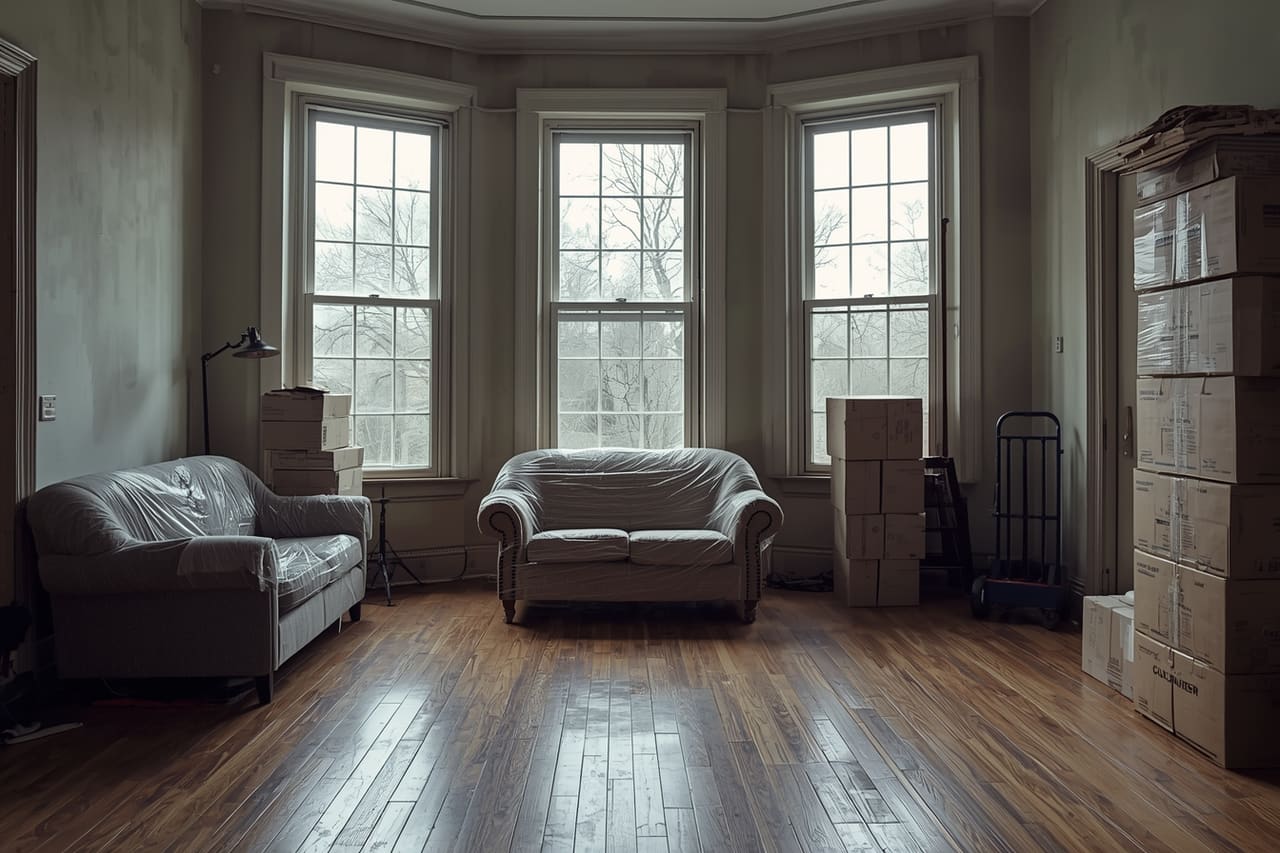
When a loss affects a whole house, leaving furniture, clothing and keepsakes in place can slow the drying, block the repairs and let mold take hold in items that could have been saved. Contents pack-out means inventorying those belongings, boxing and moving them, cleaning what can be cleaned and storing everything until the house is ready. In Lowcountry humidity, a wet couch in a closed house starts to smell within a day or two, so the decision to move things is worth making early.
When pack-out makes sense
- Water or smoke spread across several rooms and the repair needs open floors and walls.
- Belongings are wet, smoky or dusty and need specialty cleaning.
- The home will not be livable for a while.
- Items are valuable, fragile or sentimental and need careful handling.
- The house is a vacation rental or second home and a quick reopening matters.
A small loss in one room often needs only a move within the house, plastic over the furniture and a dehumidifier.
What the process looks like
1. Inventory. Each room is photographed, and items are listed with a description, condition and often a rough value. This list helps with the insurance claim and keeps track of what went where. If you can, add your own photos from before the loss.
2. Sorting. Items are sorted into three groups: clean on-site, clean off-site and not salvageable. Hard goods like glass, ceramic, metal and sealed wood are the most cleanable. Porous and soft items, such as upholstery, mattresses and carpets, depend on the type of water or smoke and how long they sat.
3. Packing and moving. Items are wrapped, boxed and labeled by room, then moved to a clean, dry facility or storage unit. Climate control matters here, because stored belongings in a humid, unconditioned space can grow mold on their own.
4. Cleaning. Methods include ultrasonic cleaning for small hard goods, laundering, dry cleaning, specialty textile cleaning, electronics cleaning and document drying for papers and books. Not everything can be restored, and a good crew tells you which things are worth the cost.
5. Storage and return. Cleaned items are stored with the inventory until the repairs are done, then moved back and set up. Check the returned items against the list.
What can usually be saved and what is hard
Often saved. Solid wood furniture, glass, dishes, metal, many hard plastics, clothing that can be laundered or dry cleaned, framed art that has been dried and cleaned.
Sometimes saved. Photographs and documents, if dried quickly and handled by a specialist. Books, leather, electronics and musical instruments depend on exposure and speed.
Often discarded. Items that touched sewage or floodwater and cannot be disinfected, wet particleboard furniture, mattresses, pillows, carpets and anything with established mold that cannot be cleaned safely. Food, medicine and cosmetics that were exposed to smoke, water or contamination.
Health questions about exposure go to a doctor. Mold on soft items is generally not worth the risk of trying to save.
Antiques, heirlooms and historic homes
Older homes in Savannah and Beaufort often hold furniture, textiles and art that are older than the house systems around them. Heart pine tables, old frames, silver and linens each have their own cleaning needs. If something matters, say so before it is packed and ask who will handle it. A conservator or a specialty restorer may be a better fit than a general crew.
Vacation homes and rentals
Second homes and short-term rentals on Hilton Head, Tybee Island, Bluffton and Beaufort carry furniture, linens and decor that have to be ready for guests. After a loss, pack-out can protect the inventory while the structure dries, and an itemized list helps document the claim. See closed-up homes and rentals for what to check when a property has been shut.
Insurance
Many homeowners and renters policies include personal property coverage, with limits and conditions for specific items. Flood damage is generally excluded from homeowners coverage and handled under a separate flood policy, which may treat contents differently. Read your policy or ask your agent, keep photos and the inventory, and save receipts for packing, storage and cleaning.
What to ask
- Is there an itemized inventory I can review?
- Where will items be stored, and is it climate controlled?
- What is the cost for cleaning, packing and storage, and how long does it run?
- What happens to items that cannot be cleaned? Do you wait for my approval before discarding them?
- Who is responsible for items during storage and the return?
Related reading: water damage restoration covers drying the house, and fire and smoke damage covers soot and odor in belongings.